The Pitfalls and Hurdles of Investing in Silver: A Comprehensive Guide

Counterparty Risks With Paper Silver Investments

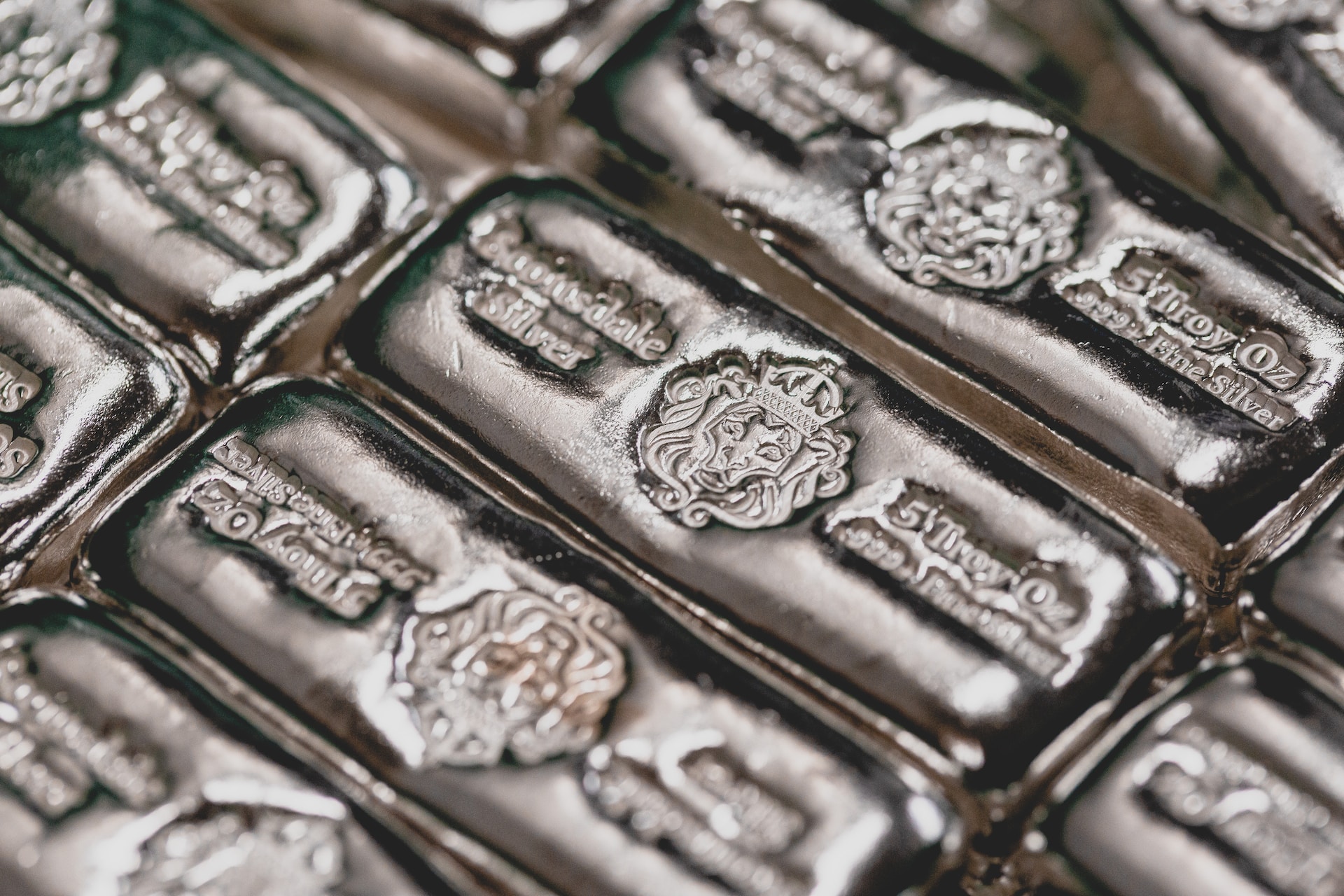
Silver, the lustrous metal that has captivated investors for centuries, is often seen as a gateway to wealth and financial security. Its undeniable allure lies in its timeless beauty and potential for exponential growth. However, beneath its shimmering surface lie hidden pitfalls and hurdles that can trip up even the most seasoned investor. In this comprehensive guide, we will delve into the world of silver investing, uncovering its treacherous paths and revealing strategies to navigate them successfully.

Price Volatility and Market Fluctuations

coinOne of the primary challenges of investing in silver is its inherent price volatility. Various factors, including economic indicators, geopolitical events, and currency fluctuations, influence the silver market. Unlike some other investment assets, silver prices can experience significant swings, creating both opportunities and risks for investors.

Staying informed about market trends and having a solid risk management strategy is crucial when navigating the volatile nature of silver prices. Although most investors buy silver bars because of their intrinsic value, it is important to remember that the market can experience significant fluctuations in the short term.

Industrial Demand and Economic Conditions

Silver has diverse applications beyond being a precious metal, with a significant portion of its demand coming from industrial uses. This dual nature as both a precious and industrial metal makes silver susceptible to economic downturns. During periods of economic instability, reduced industrial demand for silver can impact its price. Investors in silver need to consider not only market factors but also the broader economic conditions that may influence the metal’s value.

Storage Costs and Security Concerns

Unlike some financial instruments that exist in digital form, physical silver requires proper storage. Storing silver securely can incur costs whether you choose a safe deposit box, a private vault, or another storage solution. Investors must factor in these storage costs when calculating the overall return on their investment. Additionally, ensuring the security of your physical silver holdings is paramount, as theft or damage can pose significant challenges.

Liquidity Challenges in Smaller Markets

Compared to gold, silver has a smaller market size, which can result in liquidity challenges. During times of market stress or uncertainty, selling large quantities of silver may be more challenging than liquidating gold or other assets. Investors need to be aware of potential liquidity issues and plan their investment strategy accordingly, especially if they anticipate needing to convert their silver holdings into cash quickly.

Counterparty Risks With Paper Silver Investments

Investors can choose to invest in silver through various instruments, including physical bullion, exchange-traded funds (ETFs), or futures contracts. However, paper silver investments carry counterparty risks. When opting for derivatives or ETFs, investors rely on the financial stability and integrity of the issuing institution. Understanding the counterparty risks associated with different silver investment vehicles is crucial to making informed investment decisions.

Counterparty Risks With Paper Silver Investments

Regulatory and Tax Considerations

Investors in silver, like any other asset class, need to navigate regulatory and tax landscapes. Different jurisdictions may have varying regulations regarding the buying, selling, and storage of precious metals. Additionally, taxes on capital gains from silver investments can impact overall returns. Staying informed about relevant regulations and seeking professional advice is essential to ensure compliance and maximize the benefits of silver investments.

While investing in silver can be an appealing strategy for diversification and wealth preservation, it comes with its share of challenges. Navigating price volatility, understanding the dual nature of silver as both a precious and industrial metal, and addressing storage and security concerns are critical aspects of investing in silver. Liquidity challenges, counterparty risks in paper silver investments, and regulatory considerations further add complexity to the silver investment landscape.

Four Major Reasons to Invest in Silver

small

Are you looking for a smart investment strategy that can help safeguard your finances and potentially provide long-term growth? Look no further than silver. While gold often takes the spotlight in discussions about precious metals, silver should not be overlooked. This versatile metal has been prized for centuries and offers several compelling reasons to consider adding it to your investment portfolio. When investing, make sure to check the silver price chart to monitor market trends and make informed decisions. In this blog post, we’ll explore four key factors that make investing in silver a wise choice: diversification, inflation hedge, industrial demand, and limited supply. So, let’s dive in and discover why silver may just be the shining star of your investment strategy.

Diversification

When it comes to investing, diversification is a fundamental principle that can help mitigate risk and maximize potential returns. And one of the best ways to achieve this diversification is by including silver in your investment portfolio. Silver has a unique correlation with other asset classes, such as stocks and bonds. This means that when these traditional investments experience fluctuations, silver often moves in the opposite direction. By adding silver to your portfolio, you’re effectively creating a buffer against market volatility.

silver

Inflation Hedge

Inflation is a concern for many investors, and one of the reasons to consider investing in silver is its potential as an inflation hedge. When prices rise, and the value of currency decreases, silver has historically held its value and even increased in price. Silver’s role as an inflation hedge can be attributed to several factors. First, silver is seen as a store of value that can retain purchasing power over time. Unlike paper currencies, which can be affected by economic fluctuations, silver has intrinsic value due to its scarcity and various industrial uses. Furthermore, unlike other commodities like oil or natural gas, which are subject to supply constraints, the supply of silver is limited but not finite.

Industrial Demand

One of the key reasons to consider investing in silver is its high demand in various industries. Silver has various industrial uses, making it an essential component in many products and processes. For example, silver is highly valued in the electronics industry for its excellent electrical conductivity. It is used to produce circuit boards, batteries, and solar panels. With the growing demand for electronic devices and renewable energy sources, the need for silver continues to rise. Silver also plays a crucial role in the medical field. Its antimicrobial properties make it ideal for use in wound dressings and medical instruments. Additionally, silver nanoparticles are being explored as potential treatments for certain diseases.

silver

Limited Supply

One of the key reasons why investors should consider investing in silver is its limited supply. Unlike other precious metals like gold, which have been mined for centuries and accumulated over time, the global stockpile of silver is relatively small. Silver is often found as a byproduct of mining other metals such as copper and lead. This means that silver production depends on demand for these primary metals. As a result, silver mines are not actively being developed or explored to the same extent as gold mines. Furthermore, much of the world’s existing silver supply has already been consumed in various industrial applications, from electronics to solar panels. Once this silver is used up or lost through recycling processes, it cannot be easily replaced.

Investing in silver offers several compelling reasons: diversification benefits with low correlation to traditional assets; protection against inflation due to its intrinsic value; solid industrial demand across various sectors; and limited supply that supports long-term price appreciation potential. Whether you are a seasoned investor or just starting out on your investment journey, consider including this precious metal in your portfolio for added stability and potential growth opportunities. Remember though – always do thorough research and consult with financial professionals before making any investment decisions.…

Things to Consider Before Investing in the Real Estate Market

house

Welcome to the exciting world of real estate investing. Whether you’re a seasoned investor or just dipping your toes into the market, there are several crucial factors you need to consider before taking the plunge. In this blog post, we’ll explore some key aspects that can significantly impact your investment success. From understanding inflation’s influence on property values to evaluating risk tolerance and legal considerations, we’ll equip you with valuable insights to make informed decisions. So fasten your seatbelts as we embark on this enlightening journey through the intricacies of real estate investing.

Inflation

increase When investing in real estate, inflation is a key factor to consider. Inflation refers to the gradual increase in prices over time, eroding the purchasing power of your money. While this may seem negative, it can favor real estate investors. Real estate has traditionally been seen as a hedge against inflation.

Why? Well, as prices rise across various sectors of the economy, so do property values. This means that if you own real estate assets, their value will likely increase over time, allowing you to build wealth and offset rising costs. It is very important that you know about the inflation rates now before making a decision.

Risk Tolerance

When investing in the real estate market, one of the most important factors to consider is your risk tolerance. This refers to how comfortable you are with taking on potential risks and uncertainties associated with real estate investments. Every individual has a different level of risk tolerance. Some people are more conservative and prefer low-risk investments, while others are willing to take on higher levels of risk for potentially greater returns. Understanding your risk tolerance is crucial as it can help guide your investment decisions. Investing in real estate inherently carries certain risks. Property values and rental income may fluctuate, and unexpected expenses can arise.

people

Property Condition and Maintenance

When it comes to investing in real estate, one important factor that should not be overlooked is the condition and maintenance of the property. This aspect can greatly impact your investment returns and overall experience as a landlord or property owner. Consider the current condition of the property you are interested in. Is it well-maintained, or does it require significant repairs and renovations? The cost of bringing a neglected property up to standard can eat into your budget and affect your profitability. Next, think about ongoing maintenance costs. Properties require regular upkeep to ensure they remain attractive to tenants or buyers.

Legal and Tax Considerations

tax Legal and tax considerations should not be overlooked when investing in real estate. Understanding the legal aspects of real estate transactions is crucial to ensure smooth dealings and protect your investment. It is important to consult a qualified attorney specializing in real estate law.

They can guide you through the complex process of purchasing property, reviewing contracts, and ensuring compliance with local regulations. A knowledgeable attorney will help identify any potential legal issues that may arise during the transaction. Additionally, understanding the tax implications of real estate investments is essential. Real estate taxes vary from jurisdiction to jurisdiction, so it’s important to research how property taxes are calculated in your target area.

Considering all these aspects carefully ensures that you make informed decisions while minimizing potential pitfalls. Remember – successful real estate investments require careful planning. So go ahead – do your research, consult experts if needed – and embark on an exciting journey towards building wealth through smart investments in the dynamic world of real estate. We hope that you have found this blog post helpful.…